TFA Blogs
-

Ground Lease Depreciation Rules Explained
Who can depreciate ground-lease improvements, 39-year MACRS vs shorter terms, and how Section 178 and renewals affect recovery.
-

Ultimate Guide to Historic Tax Credits for CRE
Explains eligibility, QREs, the 3-part NPS application, and how to monetize and stack federal and state historic tax credits.
-
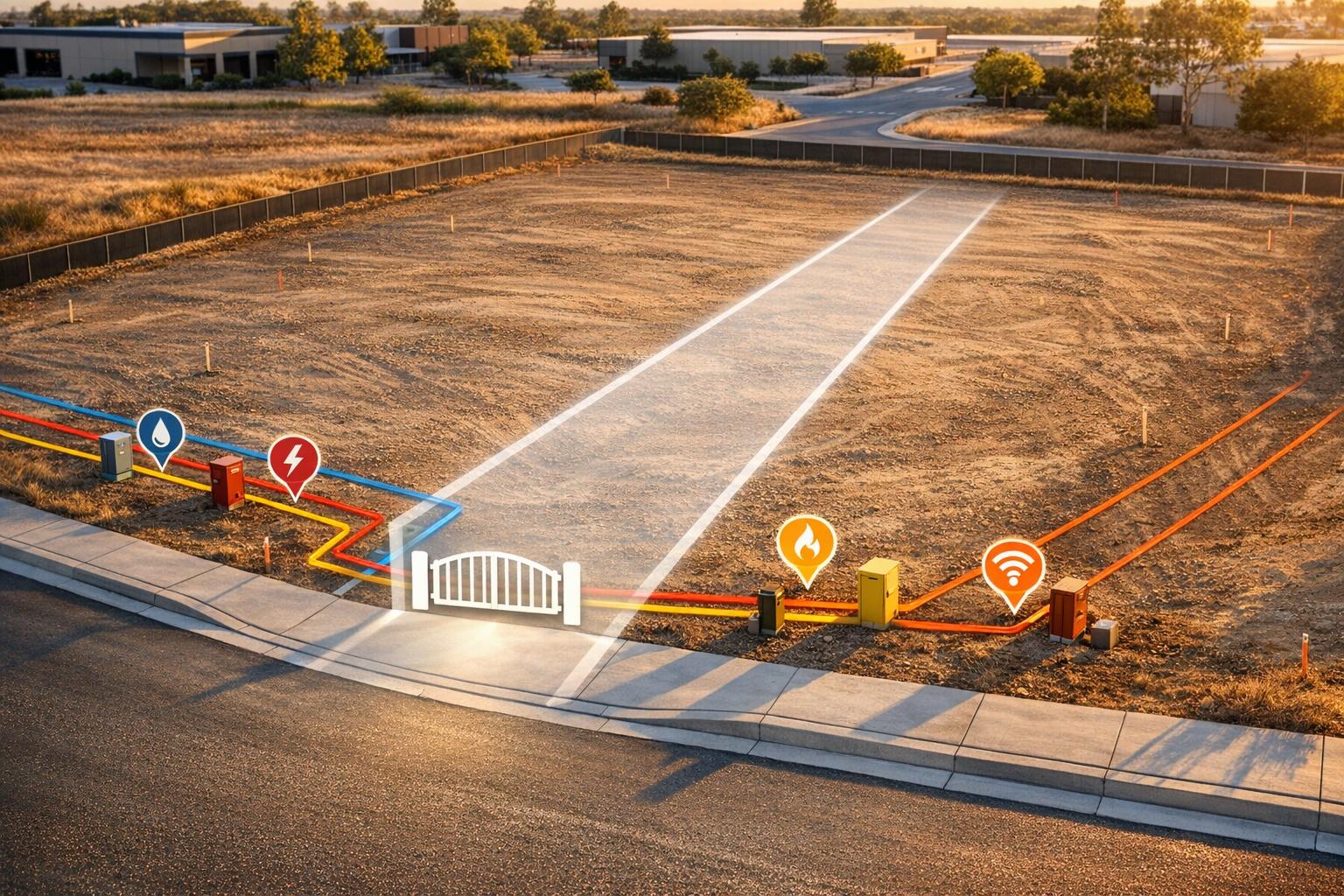
ALTA 17.2 vs Easement Endorsements
ALTA 17.2 secures legal utility connections; easement endorsements confirm recorded access—choose based on development stage and title risk.
-
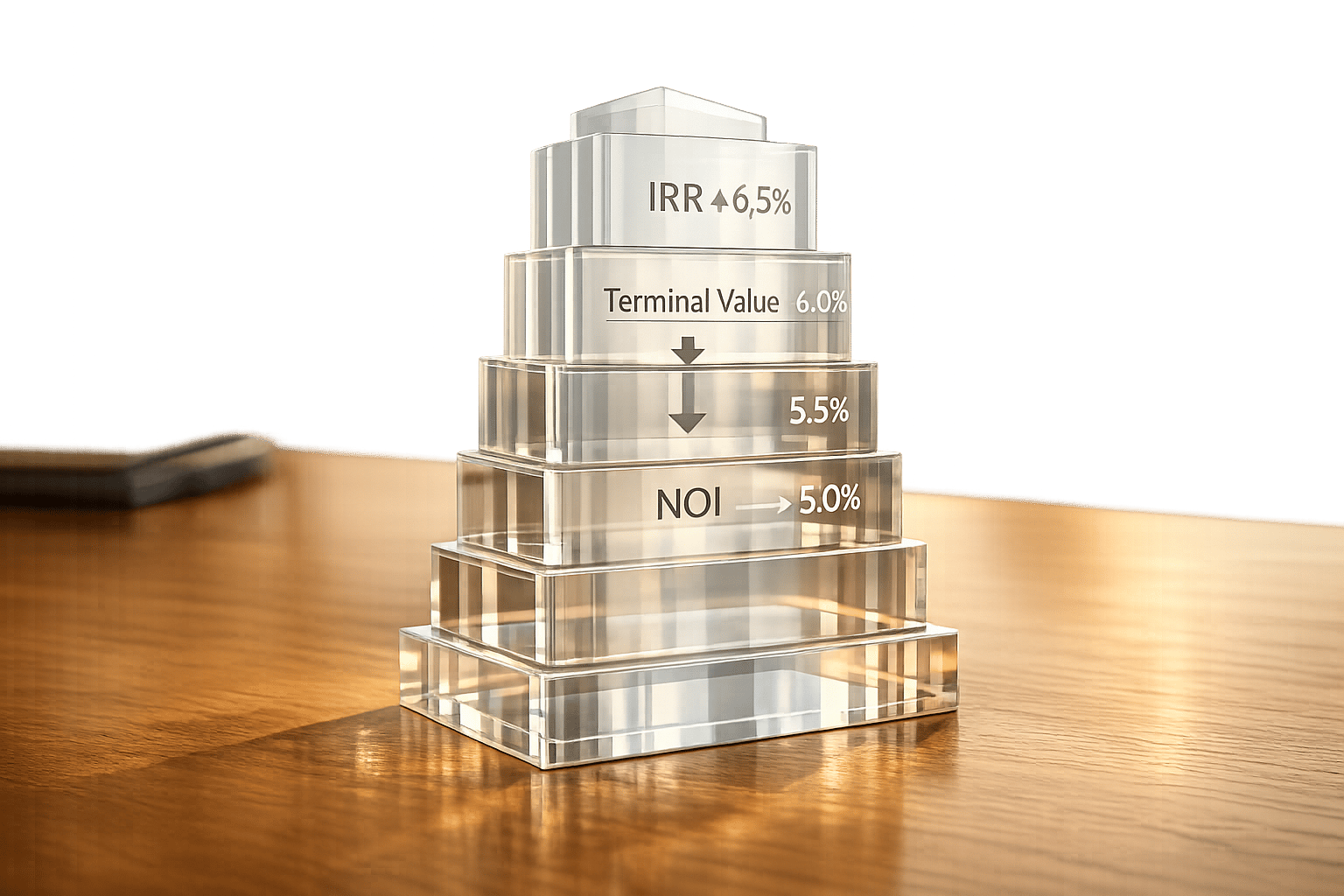
Ultimate Guide to Exit Cap Rates
How to calculate, set, and stress-test exit cap rates and their impact on terminal value and IRR.
-
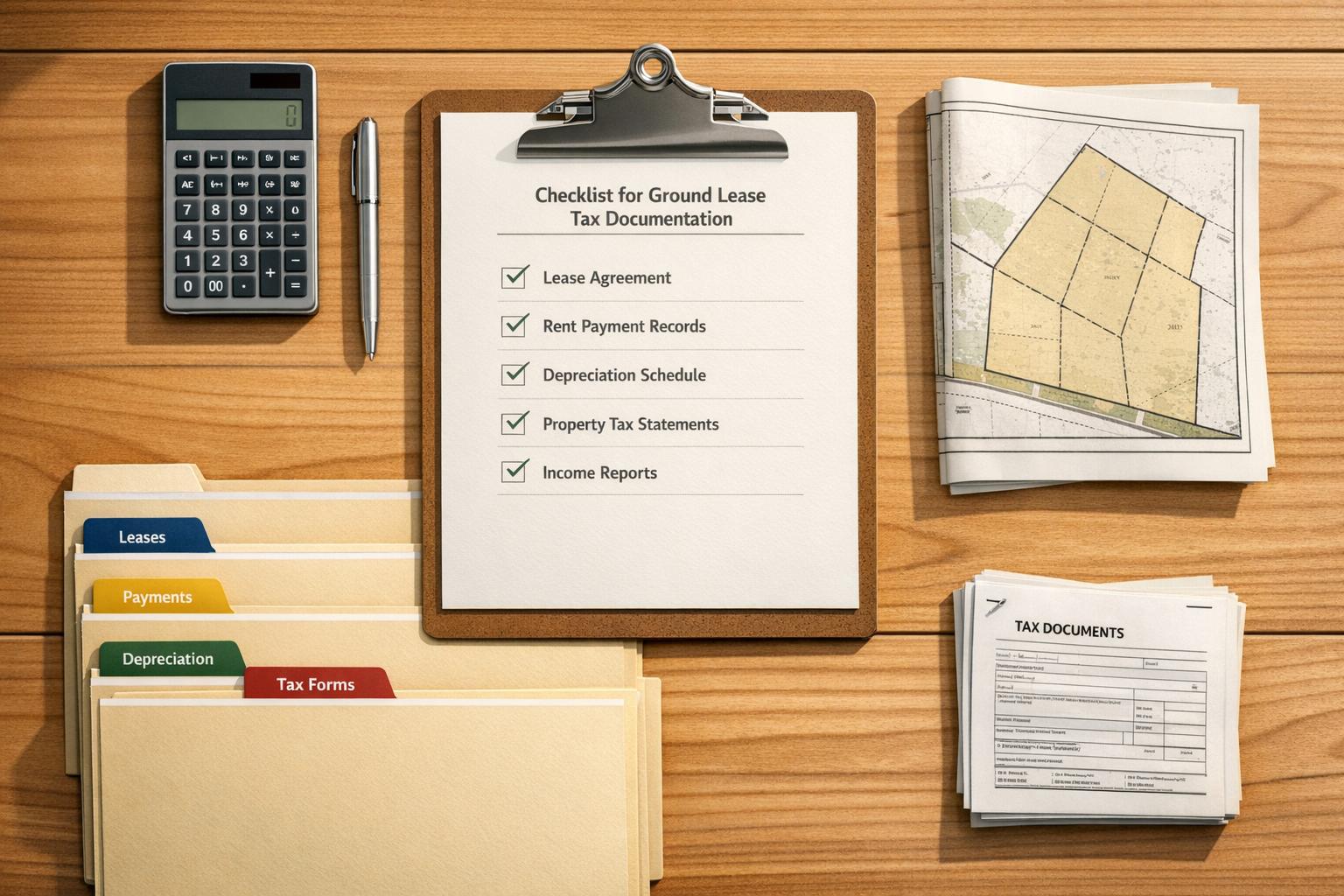
Checklist for Ground Lease Tax Documentation
Organize leases, payments, depreciation and tax forms to protect ground lease deductions and prepare for IRS audits.
-

Real-Time Data Integration: Common Challenges
CRE firms face data quality, silos, latency, and scaling barriers to real-time integration; use CDC, governance, and centralized platforms to fix.
-

1031 Exchange Boot: Tax Planning Tips
Avoid costly taxes in a 1031 exchange: match debt, reinvest all proceeds, pay non‑qualified costs personally, and use DSTs to prevent boot.
-

Tenant Revenue Analysis: Key Metrics
Analyze occupancy, rent rolls, NOI, turnover and arrears to assess property income, risks, and revenue growth.
-
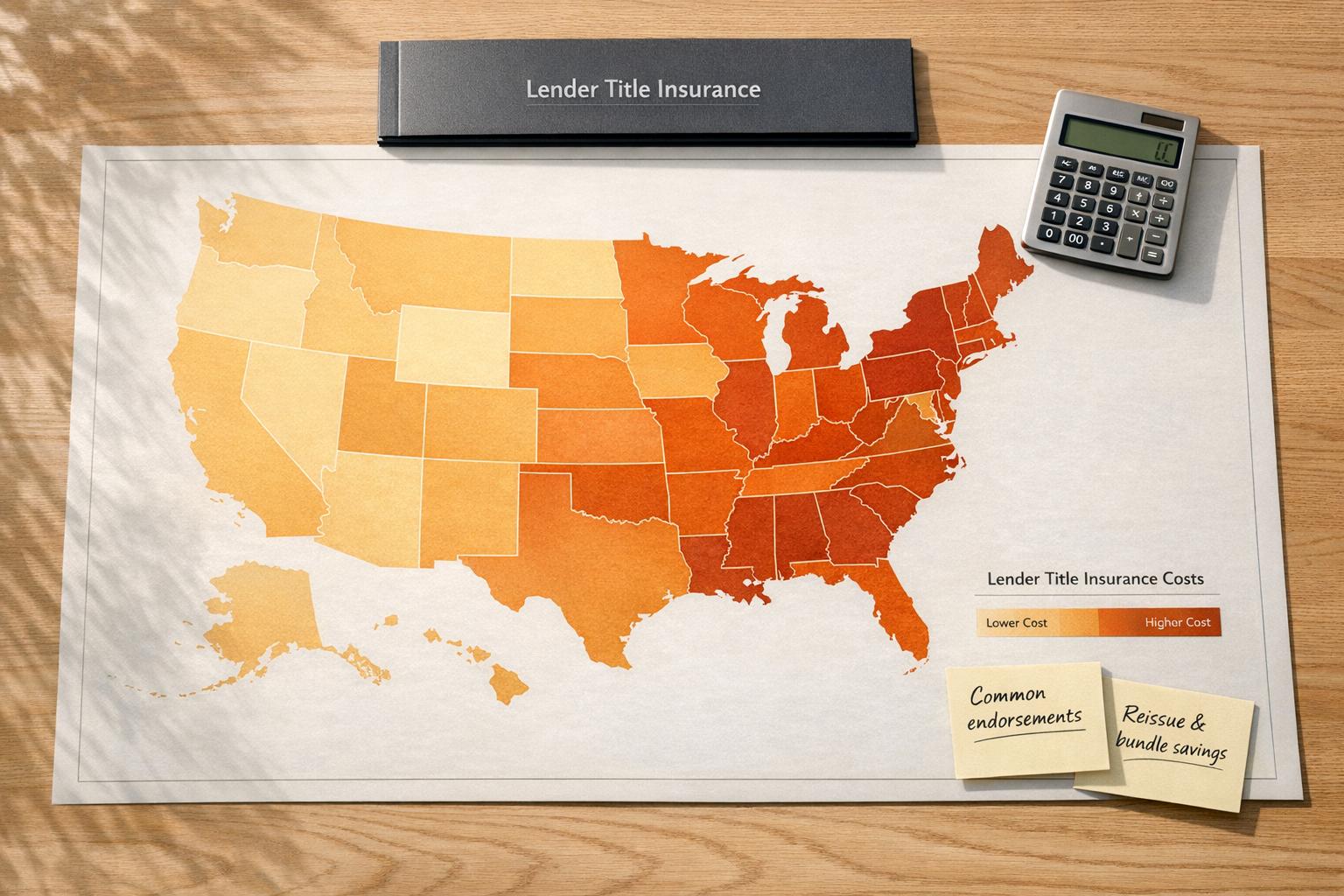
State-by-State Lender Title Insurance Comparison
State rules drive lender title insurance costs—expect wide price variation, common endorsements, and savings from reissue or bundled policies.
-

Vacancy Loss and Revenue Stabilization Explained
Understand causes and costs of vacancy loss and learn practical strategies—tenant mix, reserves, faster turnover, and tech—to reduce downtime and stabilize revenue.