TFA Blogs
-

Ground Lease Tax Reporting: Capital Improvements Explained
Understanding ground lease tax reporting for capital improvements is crucial for landlords and tenants to navigate complex tax responsibilities and optimize benefits.
-
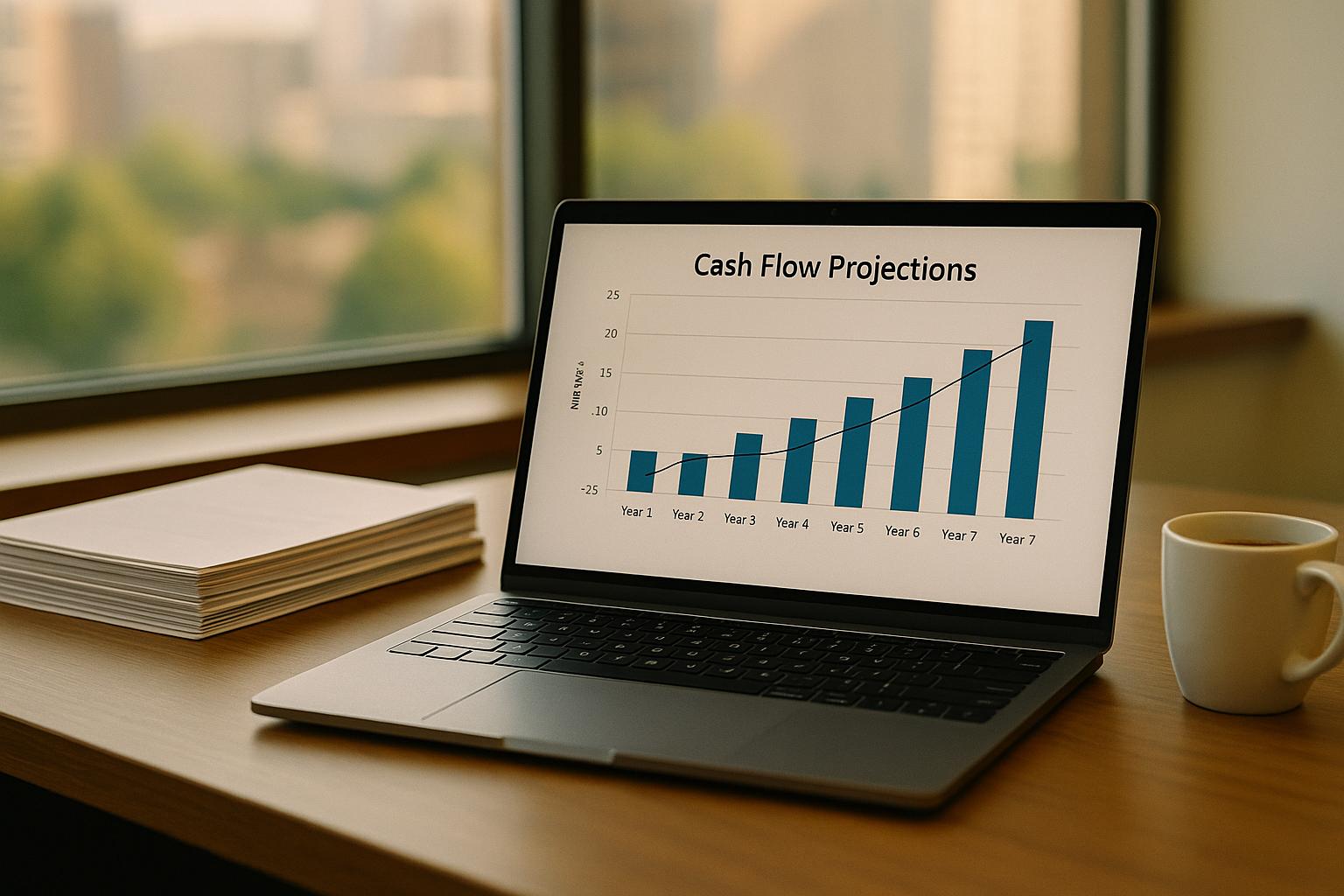
Cash Flow Timing in DCF Models: Why It Matters
Accurate cash flow timing in DCF models is vital for realistic valuations in commercial real estate, impacting investment decisions significantly.
-

Payback Period in Real Estate: Step-by-Step Guide
Learn how to calculate the payback period in real estate, assess investment risks, and understand its limitations in financial evaluations.
-

Case Studies: Successful Mezzanine Exits
Explore successful mezzanine exit strategies through case studies, highlighting key risks, methods, and lessons for maximizing returns in commercial real estate.
-

Checklist for Tenant Demand Analysis
Learn how to analyze tenant demand to enhance real estate investment strategies, reduce vacancies, and improve profitability.
-

Best Practices for Investor Reporting in CRE
Learn best practices for investor reporting in commercial real estate, focusing on transparency, financial performance, and effective communication.
-

Boundary Analysis in Topographic Surveys
Explore the importance of boundary analysis in real estate, its challenges, and how modern technology enhances survey accuracy and efficiency.
-

Top Metrics for Hold-Sell Analysis
Explore essential metrics for hold-sell analysis in real estate, including IRR, Equity Multiple, NOI, and more to make informed investment decisions.
-
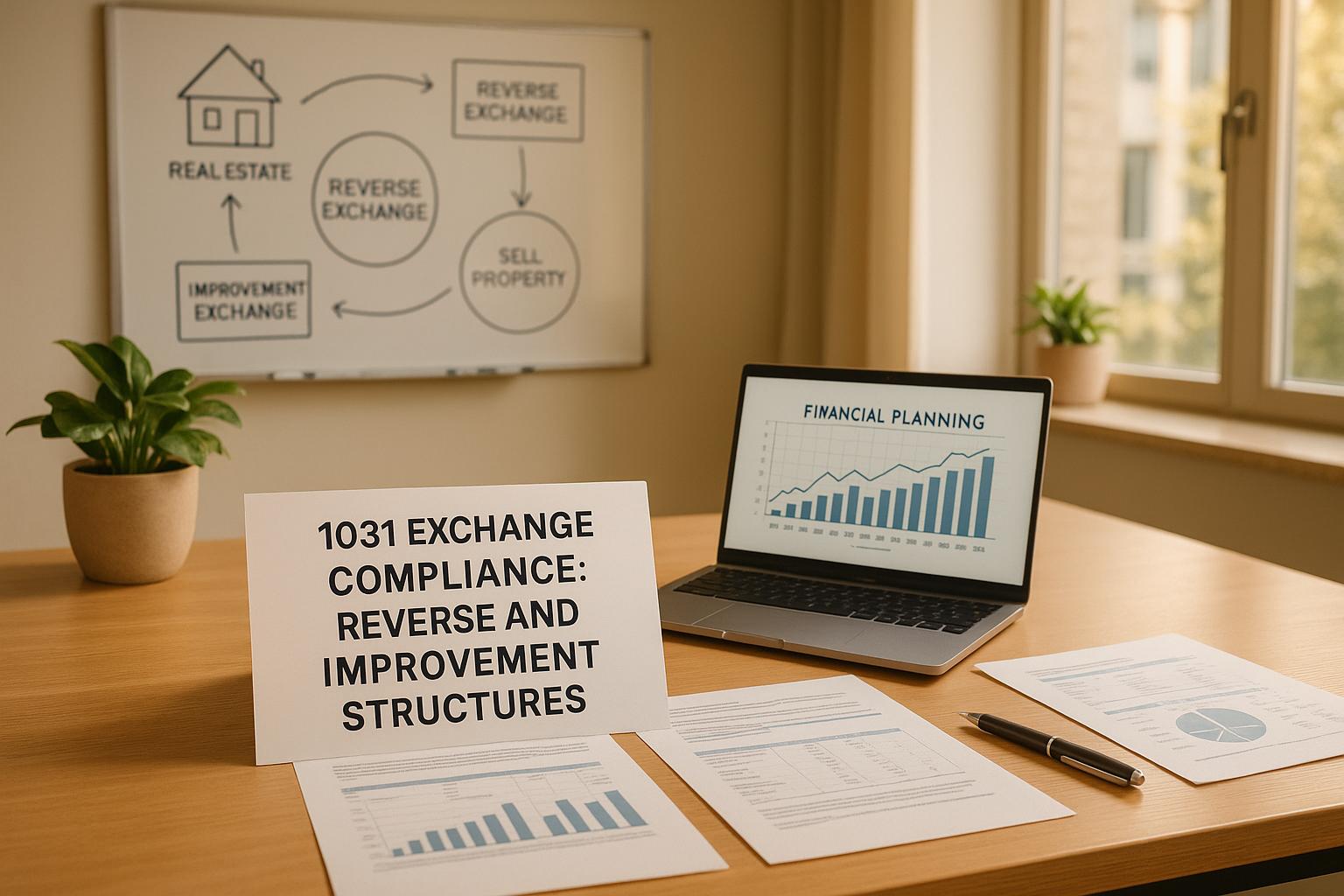
1031 Exchange Compliance: Reverse and Improvement Structures
Explore the complexities of reverse and improvement 1031 exchanges, including compliance tips and expert insights for tax deferral success.
-

5 Steps to Navigate Permitting Processes
Streamline the commercial real estate permitting process with these five essential steps to ensure compliance, avoid delays, and save costs.