CoreCast Blogs
-

How Real-Time Alerts Improve Portfolio Reporting
How real-time alerts speed decisions, consolidate portfolio data, reduce risk, and improve stakeholder reporting for real estate managers.
-

Tax Policy Changes: Commercial Real Estate Trends 2025
2025 tax reforms—permanent 100% bonus depreciation, higher Section 179, permanent 20% QBI and Opportunity Zone updates reshaping CRE finance and development.
-
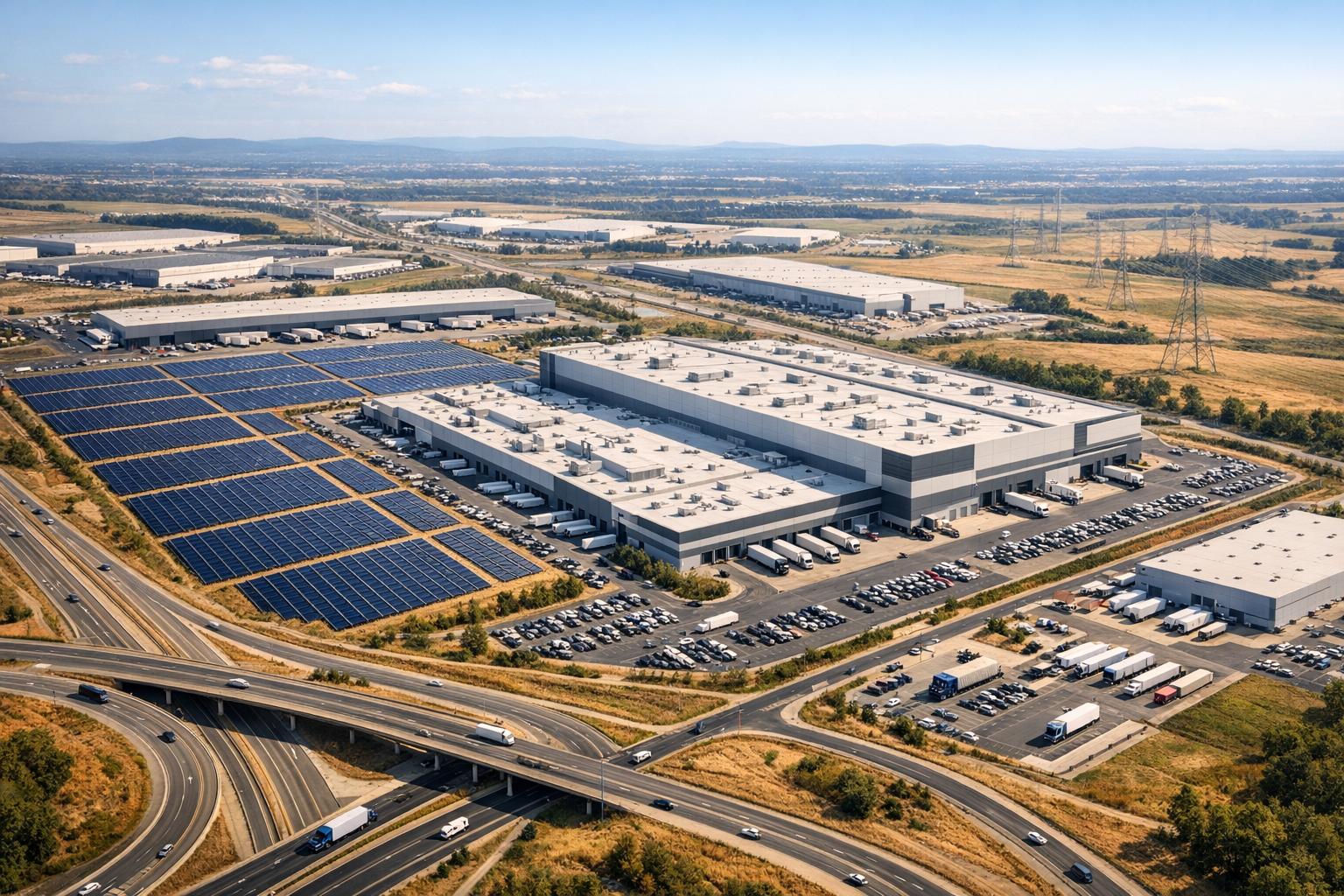
EV Manufacturing’s Impact on Commercial Real Estate
EV factory growth is reshaping U.S. industrial real estate — driving megasite demand, high-power needs, labor shortages and regional ‘Battery Belt’ clustering.
-

How Pipeline Visualization Improves CRE Deals
Centralized, real-time pipelines replace spreadsheets to track CRE deals, remove bottlenecks, improve forecasting, and speed closings with AI automation.
-

How Lease Compliance Integration Reduces Risk
Automate lease and insurance tracking to cut errors, save time, and avoid fines—real-time alerts, AI extraction, and faster audits for large portfolios.
-

AI Early Warning Systems for CRE Risks
AI detects CRE risks months early by analyzing tenant data, market trends, imagery and documents, enabling proactive portfolio, loan and investment decisions.
-

5 Steps to Calculate NOI for Commercial Properties
Clear 5-step method to calculate Net Operating Income (NOI) for commercial properties: tally income, adjust for vacancy and credit loss, subtract operating expenses, and verify results.
-

Predicting Tenant Churn With Analytics Tools
Analyze payments, maintenance, and amenity use to predict tenant churn with up to 85–90% accuracy and cut turnover costs through targeted retention.
-

5 Steps to Custom IoT Integration for Smart Buildings
Five-step roadmap to plan, design, secure, deploy and scale IoT in smart buildings for energy savings, predictive maintenance, and tenant comfort.
-

Forecasting Construction Costs Amid Inflation
Inflation, labor shortages, and material volatility are making construction costs harder to predict; use indices, scenario planning, and risk-adjusted models to protect budgets.